


Bluetooth headset
The shell of Bluetooth headphones is an important component, as it not only affects the appearance and feel of the headphones but also relates to their durability and signal transmission quality.
Email:
The Bluetooth earphone shell is an important component of Bluetooth earphones, affecting not only the appearance and feel of the earphones but also their durability and signal transmission quality.
The following is a detailed introduction to Bluetooth earphone shell products:
1. Main Materials
Plastic materials: One of the most commonly used materials for Bluetooth earphone shells, it has advantages such as low cost, easy processing, and light weight. Common plastic materials include PC (polycarbonate), ABS (acrylonitrile-butadiene-styrene copolymer), and PC/ABS alloy. Among them, PC material has high strength, high transparency, and good heat resistance, while ABS material has good fluidity, excellent overall performance, and is inexpensive. Some models also use recycled plastics, such as recycled PET and recycled ABS materials, which are both environmentally friendly and practical.
Metal materials: Such as aluminum alloy, zinc alloy, and stainless steel, even titanium alloy is used for high-end Bluetooth earphone shells. Metal materials have a good texture, high strength, and are resistant to drops and wear, but the cost is relatively high.
Silicone materials: Silicone shells have excellent comprehensive performance with super dirt resistance, high smoothness, excellent soft touch, and high scratch resistance while being cost-effective. Silicone materials are mainly used in the ear hook area and where they contact the skin in Bluetooth earphones to provide a comfortable wearing experience.
Ceramic materials: Generally refers to zirconia; complex structures are usually made using ceramic powder injection molding (CIM), while flat surfaces are often made using dry pressing. The overall process is complex and costly, often found in high-end models, mostly for small area decorative applications such as earphone back covers (ceramic patches) and sound chambers.
Glass materials: Including ordinary glass and sapphire glass. Glass materials have advantages such as high transparency, high hardness, and wear resistance but are also relatively expensive. Sapphire glass is particularly wear-resistant and has excellent properties such as temperature resistance, thermal conductivity, corrosion resistance, and weather resistance; however, due to its high cost, its application in earphones is limited.
Composite boards: A composite material obtained by co-extruding PC and PMMA two types of materials that balance the performance advantages of both. Structurally, PC is generally the inner layer (as strength support), while PMMA is the outer layer (with high scratch resistance).
Other materials: Such as Kevlar fiber material, which has characteristics like high strength, lightweight, high toughness, high-temperature resistance, and ease of processing but is less commonly used.
2. Structural Design
Split structure: Bluetooth earphones typically adopt a split structure that includes a charging case and the earphone body. This structure provides ample space for CMF design to achieve various appearances and surface treatment processes.
Ergonomic design: To ensure stability and comfort during wear, Bluetooth earphone shells usually adopt ergonomic designs. This design can fit the user's auricle and ear canal to reduce pressure and discomfort during wear.
3. Surface Treatment Processes
Coating process: Such as NCVM coating and AF coating processes. NCVM is a vacuum non-conductive electroplating process that can be applied to different plastic material surfaces to enhance metallic texture and elevate quality. AF coating is a fingerprint-resistant process that effectively addresses visible fingerprint smudges.
Spraying process: Coating paint on the product surface using a spray gun or atomizer to create decorative or functional effects. The spraying process is very common in Bluetooth earphone shells and can achieve different coating textures such as glossy, matte, or skin-friendly.
Laminating process: Decorating the surface of the earphones or charging case with other material types in a laminated form is also a commonly used design solution. The laminated materials mainly include fabric (textile), silicone, and leather which can greatly enhance the design sense and texture of the earphones.
Optical texture application: Applying optical texture technology on Bluetooth earphone shells can achieve delicate, exquisite, beautiful, and fashionable visual effects. This technology is usually used for decorative structural parts such as charging case shells or back covers of earphone stems.
4. Functional Features
Protecting the earphones: The Bluetooth earphone shell can protect the earphones from external damage such as drops or scratches.
Easy to carry: A well-designed Bluetooth earphone shell is usually compact and lightweight for easy portability.
Enhancing aesthetics: By using different materials and surface treatment processes, Bluetooth earphone shells can present various appearances and textures to enhance the overall aesthetics of the earphones.
5. Purchasing Suggestions
Choose materials based on needs: Users can select suitable materials according to their needs and budget. For those pursuing lightness and portability, plastic materials may be chosen; for those seeking quality and durability, metal or silicone materials may be preferred.
Pay attention to structural design: Choose Bluetooth earphone shells that conform to ergonomic designs to ensure comfort and stability during wear.
Consider surface treatment processes: Different surface treatment processes will affect the appearance and texture of Bluetooth earphones. Users can choose suitable process types based on their preferences.
In summary, Bluetooth earphone shell products have various material options, structural designs, rich surface treatment processes, and functional features. Users should consider their needs and budget comprehensively when purchasing to select the most suitable product.
Classification:
Household appliance injection molds
Key words:
Household Appliances
Auto Parts
Medical Equipment
Deep branch in dongguan mould
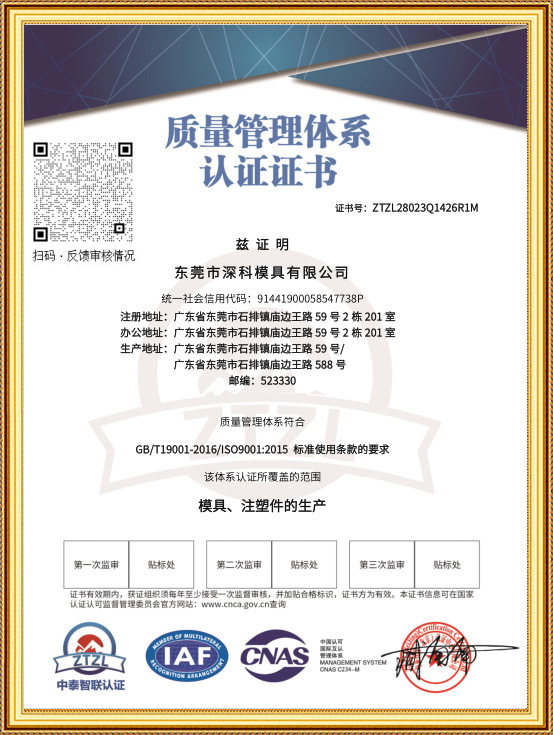
Integration of mold manufacturing and molding production
ADVANTAGES
Development team adhering to the "customer first" service consciousness, relying on a strong professional knowledge and high quality expert team will develop its own position to provide customers with injection molding, mold development, customized one-stop service, meet customer's various customization development demand of professional team, to provide comprehensive solutions to the customers
01
Mold development, design and manufacture
Engineering development technical team size: 30 people.
02
Advanced modern precision mold equipment
62 high precision mold production equipment, the scale of 80 people.
03
Injection molding production
94 sets of injection molding equipment and 240 production personnel.
04
Product high quality testing equipment
Systematic quality management team of 30 people, advanced testing equipment: physical tester, life tester, high precision inspection size tester, etc
STANDARDIZED PROCESSING FLOW
Relying on strong professional knowledge and a high-quality expert team, we provide customers with customized one-stop services for injection molding and mold development

Demand Communication

01

feasibility analysis
02

mold design
03

Customer Confirmation
04

Mold manufacturing
05

Sample delivery
06

Internal optimization
07
Sample delivery
08

Customer Confirmation
09

Mass production
10

After-sales tracking
11
MORE PRODUCTS
PRODUCT CONSULTING
* Note: Please fill in the information accurately so as to facilitate smooth communication. We will contact you as soon as possible.